• contact@medicineandislam.org
Follow us on:

Board members

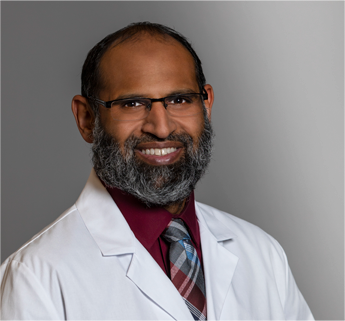
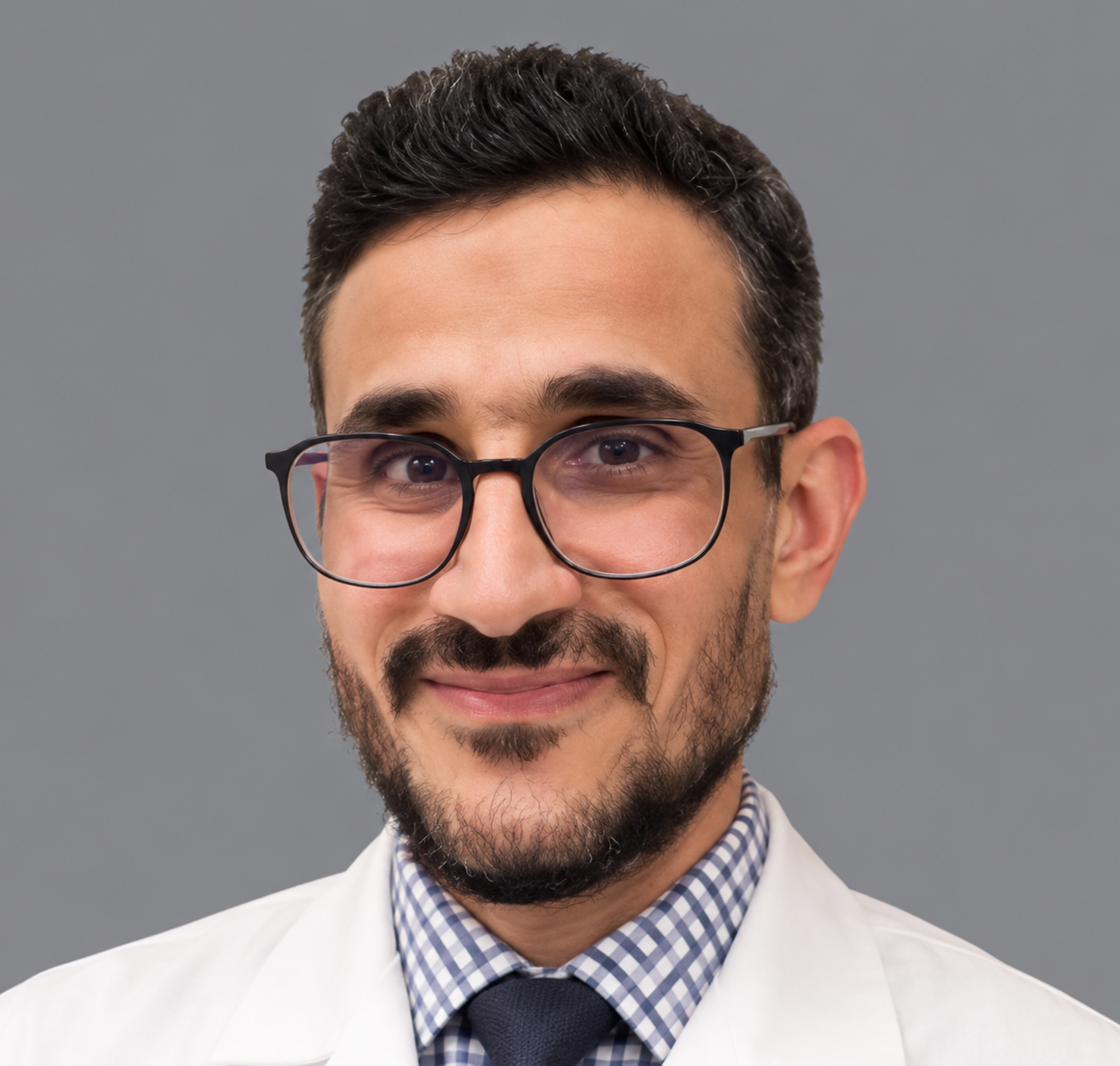
Faisal Qazi, DO

President, Initiative on Islam and Medicine

Dr. Faisal Qazi currently serves as the President of the Initiative on Islam and Medicine. He is an Adjunct Professor of Islamic Bioethics and Spiritual Care at Claremont Lincoln University – Bayan College. He was honored as Professor-of-the-Year award by its student body in 2013. He was the President of American Muslim Health Professionals in 2009, a national Public Health group and was the architect of AMHP’s health policy initiatives as its President in 2009. Dr. Qazi founded and became the first CEO of HUDA (Health Unit on Davison Avenue) free clinic in Detroit in 2004. He conceived the idea of the Muslim Free Clinics Council; a loose coalition of 35 Muslim operated charitable clinics from across the country. He had the distinct honor to present the works of these institutions at a Congressional briefing in October of 2008 in Washington DC, where he proposed opportunities for safety net clinics in the health reform process. Dr. Qazi’s speaks frequently on issues ranging from community services, religion and spirituality, mental health and health policy.

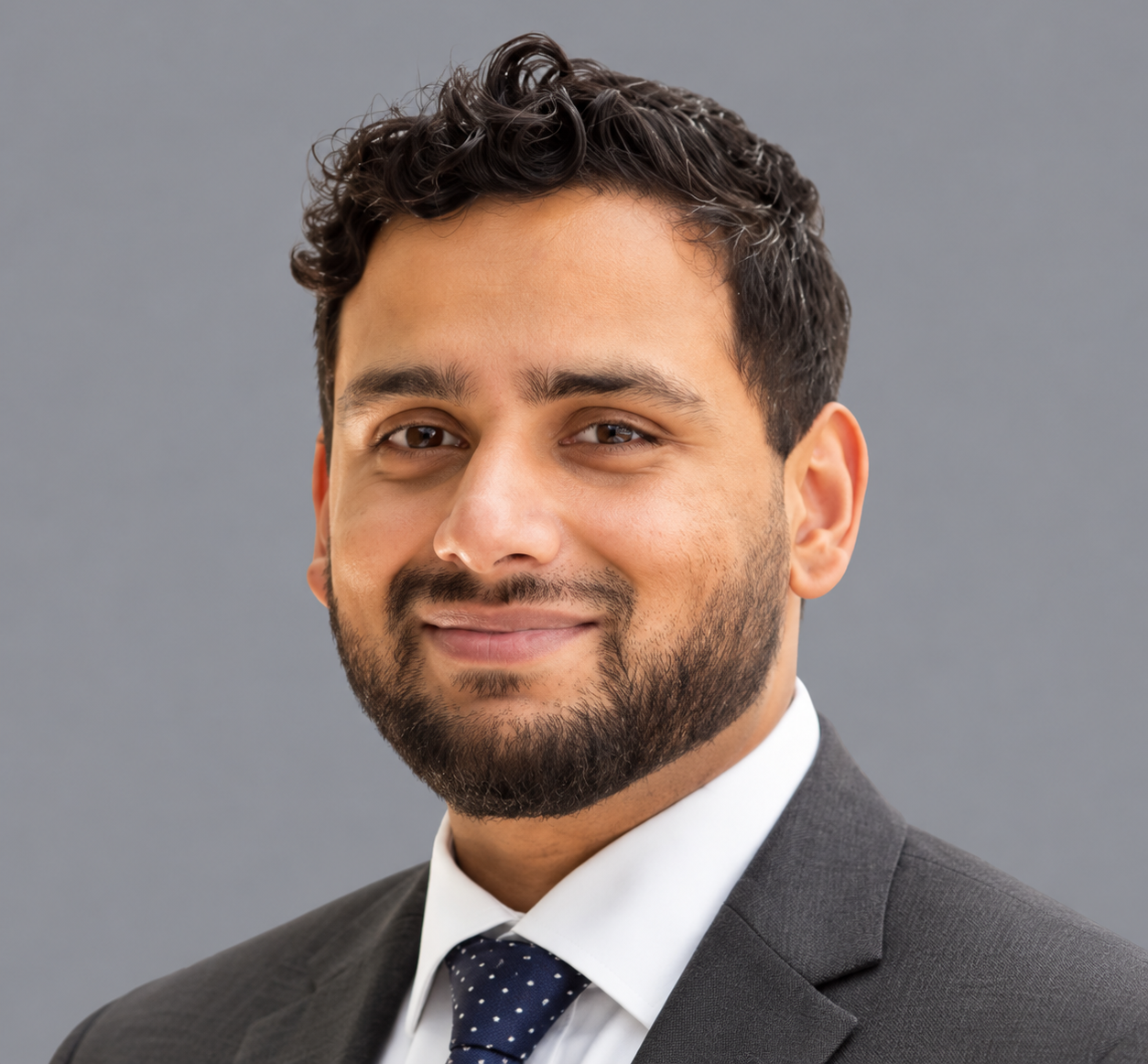
Aasim I. Padela, MD, MSc, FACEP, FISSR

Founder, Initiative on Islam and Medicine

Dr. Padela is an emergency medicine physician and academic scholar whose research focuses on the intersection of bioethics, public health, and religion. His scholarship aims to advance health equity and societal well-being through multidisciplinary inquiry and multilevel interventions. His expertise spans diverse research methodologies and topics, including community-engaged, patient-centered, and human-centered research design; behavior change theory; religiously tailored and faith-based messaging; survey and qualitative research; discourse analysis; character education; clinical ethics; and Islamic theology.

Over his career, Dr. Padela’s noteworthy scholarly contributions include:

(i) Developing novel mosque-based approaches and tools for studying and intervening upon Muslim American health disparities, these innovations include techniques for mosque PCOR, tailored faith based messaging, and measures of religious fatalism, modesty, religious knowledge of organ donation and end-of-life care;

(ii) Launching national studies of the prevalence, as well as professional and psychological impacts of, religious discrimination and accommodation experienced by Muslim clinicians in the United States and United Kingdom; and

(iii) Conceptual, discursive, and research frameworks for bridging biomedical, social scientific, and religious knowledge in global bioethics and policy deliberation. This work has spanned behaviors related to cancer screening, organ donation, end-of-life care, and the intersection of religion and science, and has been supported by diverse sources, including the Health Research and Services Administration, Patient Centered Outcomes Research Institute, the John Templeton Foundation, the Greenwall Foundation, the Qatar National Research Fund, and the Robert Wood Johnson Foundation.

Dr. Padela has held a range of administrative, programmatic, research, and educational leadership roles across university settings. Currently, he is Director of Strategic Global Engagement and Director of the RAPID-EM Research Fellowship in the Department of Emergency Medicine at the Medical College of Wisconsin (MCW). From 2020-26, he served as inaugural Vice Chair for Research and Scholarship in the Department of Emergency Medicine. At MCW, he also serves as a Learning Community Navigator, providing professional coaching and ethics tutoring to 16 medical students throughout their four years. Before joining MCW, he served as Director of the Program on Medicine and Religion at the University of Chicago (UC), a cross-cutting research, teaching, and convening program spanning the medical school, divinity school, and ethics center, and as Director of Faculty Development in the Section of Emergency Medicine.

Dr. Padela holds an MD from Weill Cornell Medical College and an MSc in Healthcare Research from the University of Michigan. He is completing an MA in Character Education at the University of Birmingham. He also holds a BS in Biomedical Engineering and a BA in Classical Arabic from the University of Rochester. He completed emergency medicine training at the University of Rochester, a research fellowship at the University of Michigan, a clinical medical ethics fellowship at the MacLean Center for Clinical Medical Ethics, and visiting fellowships at the Oxford Centre for Islamic Studies and the International Institute for Islamic Thought. 

He has authored over 170 peer-reviewed articles and book chapters; edited or co-edited 7 books; Medicine and Shariah: A Dialogue in Islamic Bioethics (UND Press, 2021), Islam and Biomedicine (Springer, 2022), Organ Donation in Islam: The Interplay of Jurisprudence, Ethics and Society (Lexington, 2022), Islam, Muslims, and COVID-19: The Intersection of Ethics, Health, and Social Life in the Diaspora (Brill, 2024), Bridging Bioscience and Islam: Engaging Big Questions about the Human Being (Palgrave MacMillan, 2026), and a monograph, Maqasid al-Shariah and Biomedicine: Bridging Moral, Ethical and Policy Discourses (IIIT Press, 2025). 

His work has been featured in major news outlets, including the New York Times, USA Today, Chicago Tribune, Washington Post, Los Angeles Times, National Public Radio, Newsweek, and CNN, and he is host of an award-winning international podcast series, Big Questions about the Human Being: Bioscience & Islam in Dialogue.
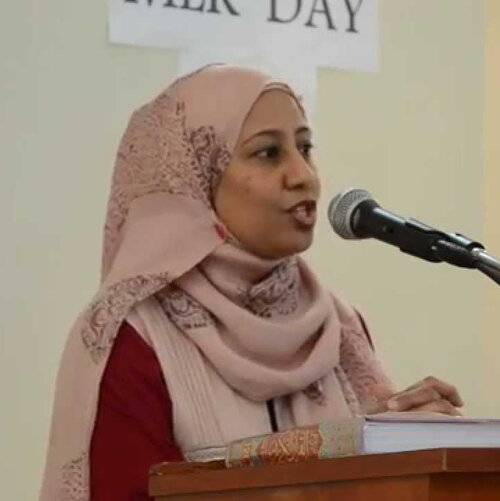
Fatema Mirza

Treasurer, Initiative on Islam and Medicine

Besides being a co-founder of Worry Free Community, Fatema Mirza has initiated and led several community health projects in past 12 years and provided healthcare and IT consultation to health care entities on electronic medical records, Accountable Care/Managed Care regulations, JCAHO and Medicare accreditations. She helped set up the Senior Health Insurance Program sites for faith-based and community-based organizations and designed Community health training programs to support the projects in mosque communities.
fatema.jpg

Najam Fasiuddin, DO

Board Member - II&M

Najam was born & raised in New Jersey. He graduated the University of Rochester with a Bachelor of Arts in Cultural Anthropology. Like many from the Garden State, he then moved to Florida. After graduating from LECOM-Bradenton, he completed a 4-year Emergency Medicine Residency at Oakwood Hospital in Dearborn and was Chief Resident. After living in Michigan for a dozen years, he has returned to the warmth of the Sunshine State.
najam_fasiuddin.png

Imam Ayman Soliman, M.Div., Ph.D.

Board Member - II&M

Imam Ayman Soliman received his Islamic education in Islamic studies, both formal and informal, in Egypt. He holds an MA in Islamic Studies and is currently pursuing an MDIV in Islamic Studies and Muslim Chaplaincy as well as a PhD in Islamic Studies. He served as an Imam in Egypt for 14 years before moving to the US 10 years ago. In the US, he served as an imam and director of religious affairs in several Islamic centers before focusing on Muslim chaplaincy. He has served as the graduate students’ Muslim chaplain at Northwestern University, the Muslim chaplain in a correctional institution, and currently serves as the Muslim Chaplain at Cincinnati Children’s Hospital.

He is a member of the Assembly of Muslim Jurists of America, the Association of Muslim Chaplains, and the North America Imams Federation. His areas of interest include Islamic law, Islamic biomedical ethics, interfaith work, and addressing Islamophobia.

Banner-06.png

Dr. Nasir Malim, DO, MPH

Board Member - II&M

Dr. Nasir Malim is currently an Academic Hospitalist based on New York City. He has prior academic training in the humanities during his undergraduate studies followed by a public health degree specialized in health disparities. As a medical student he took part in the medical student internship focusing on Islamic Bioethics via the Initiative in Islam and Medicine. Following his medical training he resumed his Islamic Studies via the Islamic Seminary at the Institute of Knowledge, where he received his Shahadatul Alamiyyah and Master’s Degree in Islamic Studies. He hopes to further his training in practice as a board member of II&M as he continues to think through the role of Islam in improving individual and public health and wellness in the country.

Banner-05.png

Initiative on Islam and Medicine © 2025 - All Rights Reserved. Designed and Powered By Digaptics